

Tel :+86 - 17718123415
Email:info@sailsolaress.com
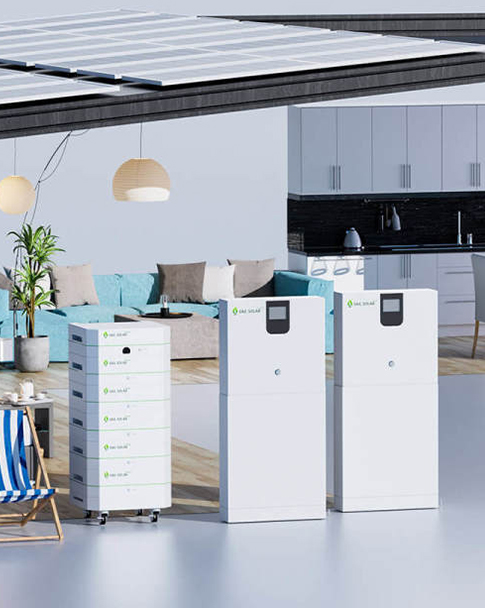
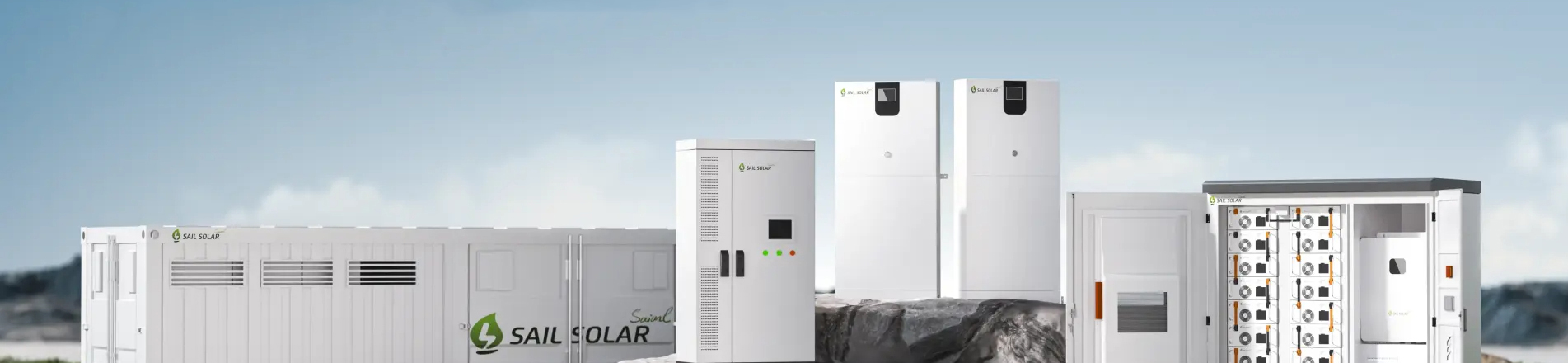
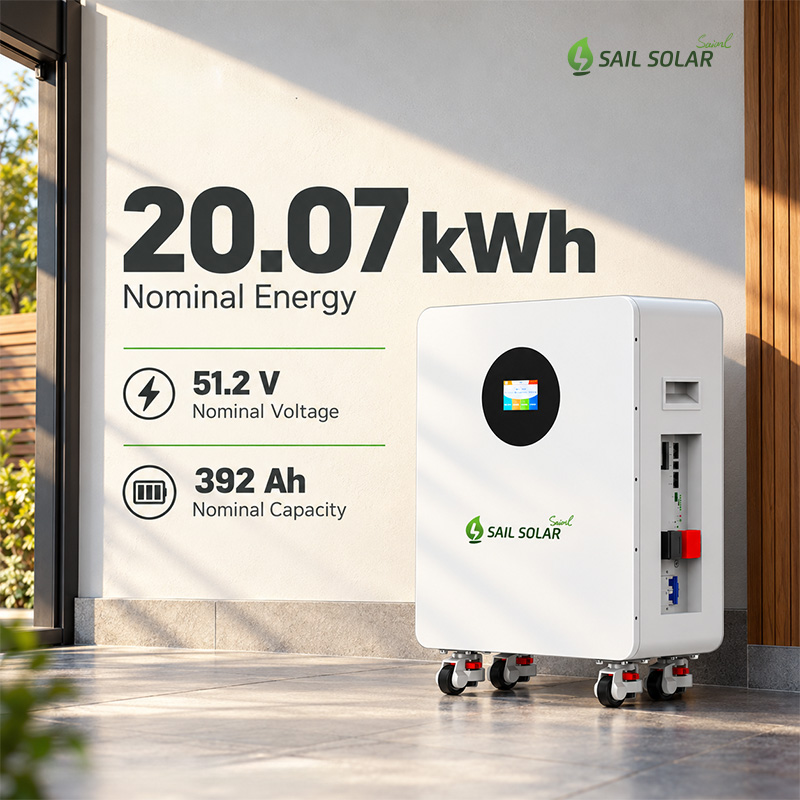
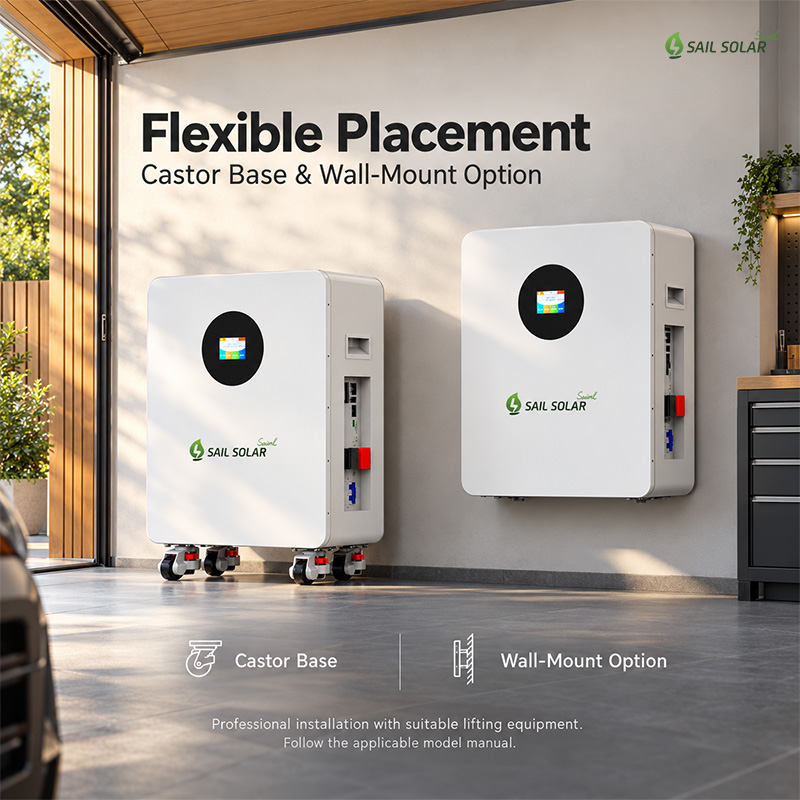
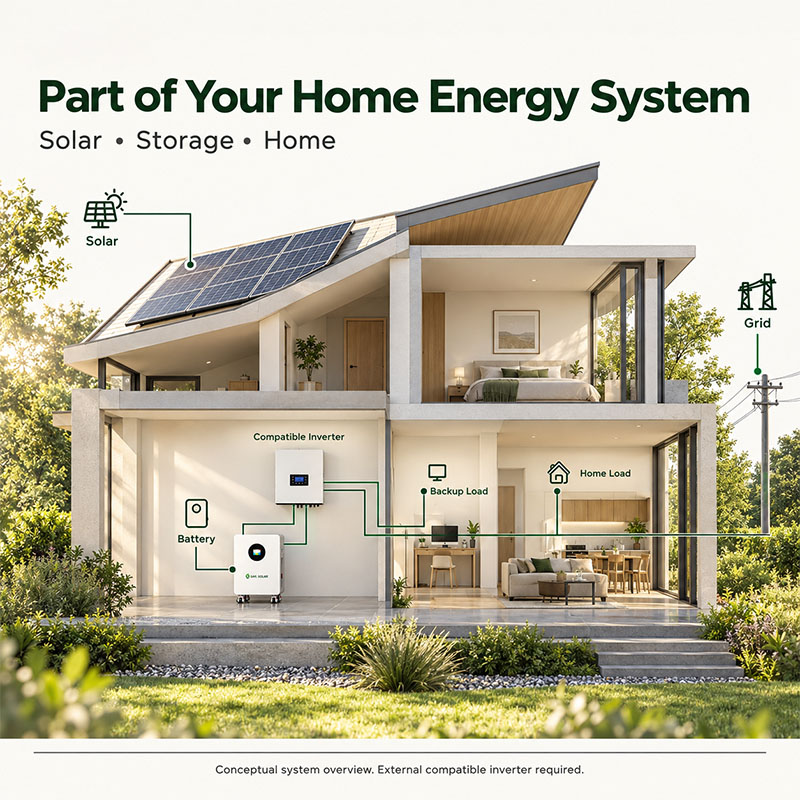
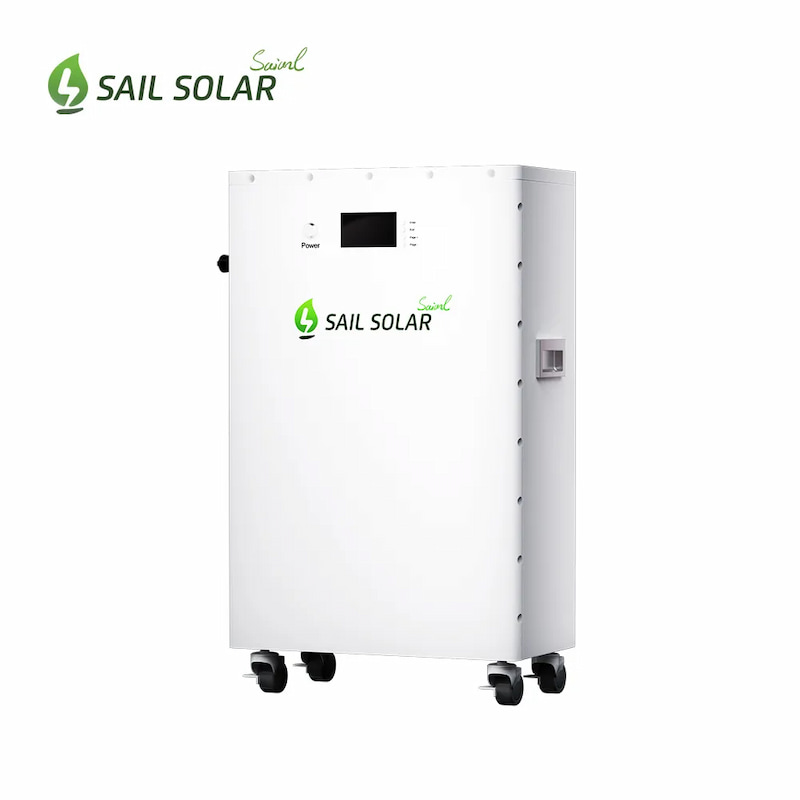
The SAIL SOLAR 51.2V 392Ah 20kwh roller‑type LiFePO4 energy‑storage battery is a highly reliable storage unit for residential photovoltaic systems. Equipped with a smart BMS, it delivers comprehensive protection against over‑voltage, under‑voltage, over‑current and over‑temperature to guarantee safe and stable operation. Built‑in casters enable easy relocation, while its compact form saves installation space. Supporting RS485 and CAN‑Bus communication protocols, this battery can actively communicate with most hybrid solar inverters. It works with solar panels for self‑consumption and serves as a backup power source during grid outages. Multiple units can be paralleled for capacity expansion, making it ideal for household energy independence, peak‑valley arbitrage and emergency power supply. With over 6000 charge‑discharge cycles, it offers outstanding long‑term cost‑performance.
Item No :
SAS20-51.2V392AHBattery Type :
LiFePO4Brand :
SAIL SOLARNominal Voltage :
51.2VWeight :
150+2kgOEM/ODM :
supportDimensions (W x D x H ) :
773*522*260mmCommunication mode :
RS232-PC, RS485(B)-PC, RS485(A)-Inverter, Canbus-InverterLifespan :
≥6000 (@80%DOD,25°C)Warranty :
10yearsCertificate :
CE,UN38.3,MSDSProtection :
IP21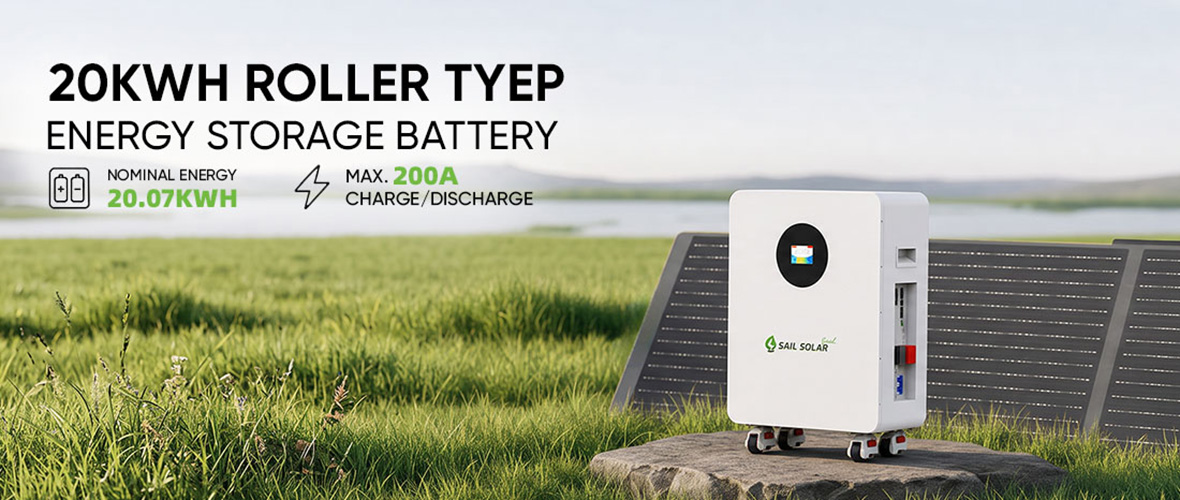
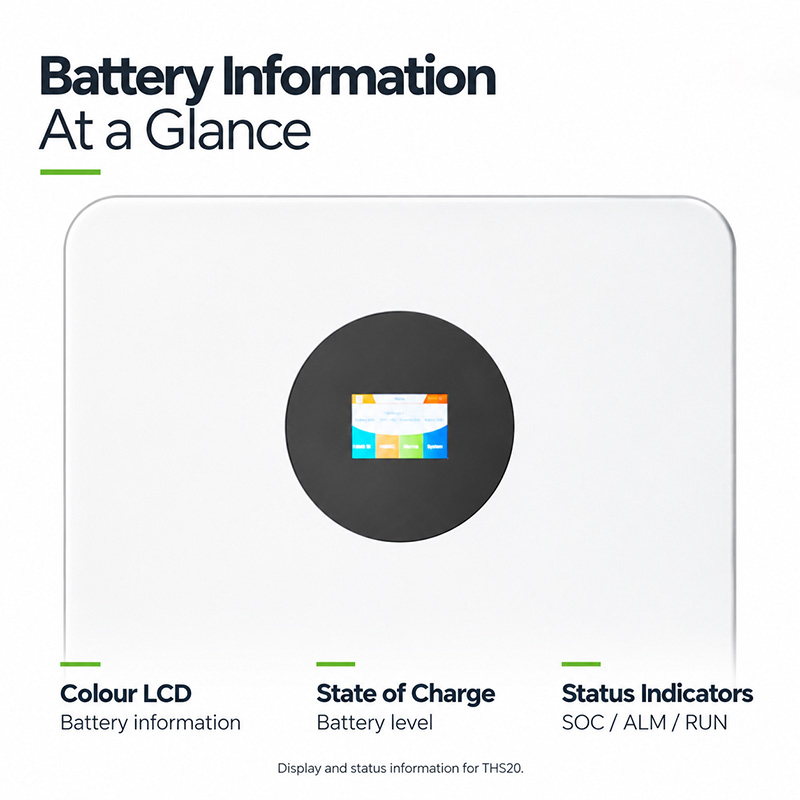
This SAIL SOLAR roller‑mounted 20 kWh lithium‑iron‑phosphate battery features a nominal voltage of 51.2 V and excellent cycle performance, achieving ≥6000 cycles at 80 % DOD under 25 °C. It supports charging from 0 °C to 55 °C and discharging from ‑20 °C to 55 °C, covering most indoor and outdoor application scenarios. Interfaces including RS232, RS485 and CAN‑Bus allow connection to inverters and host computers for real‑time data monitoring, and parallel connection is available to enlarge total energy capacity. The local display shows pack voltage, SOC and cell voltages. Optional Bluetooth and Wi‑Fi modules support remote monitoring via mobile App. Fitted with bottom rollers for convenient movement, the battery requires a minimum 30 cm clearance between units for heat dissipation. After correct wiring and protocol configuration following the manual, it can be integrated step‑by‑step into solar‑storage projects even if PV panels are added later.
Product Overview
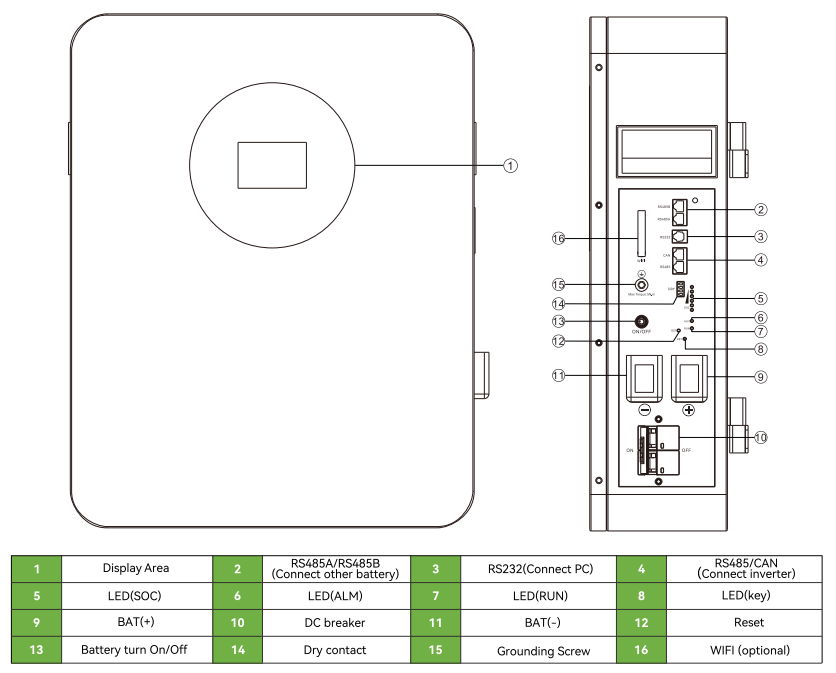
This wall-mounted LiFePO4 energy storage battery integrates a complete BMS control unit and abundant interfaces for residential solar storage systems. It comes with a front display area to show real-time operating data. Multiple communication ports are available: RS485A/RS485B for parallel connection with other batteries, RS232 for PC debugging, and RS485/CAN for communication with hybrid inverters.
Four LED indicators are fitted to display SOC, alarm, running status and key lock status. It includes BAT positive/negative terminals, a DC breaker, reset button, main battery on/off switch, dry contact and grounding screw for safe wiring. Optional WIFI module supports remote monitoring. The compact integrated design simplifies installation, enables multi-battery parallel expansion.
Wiring Schematic
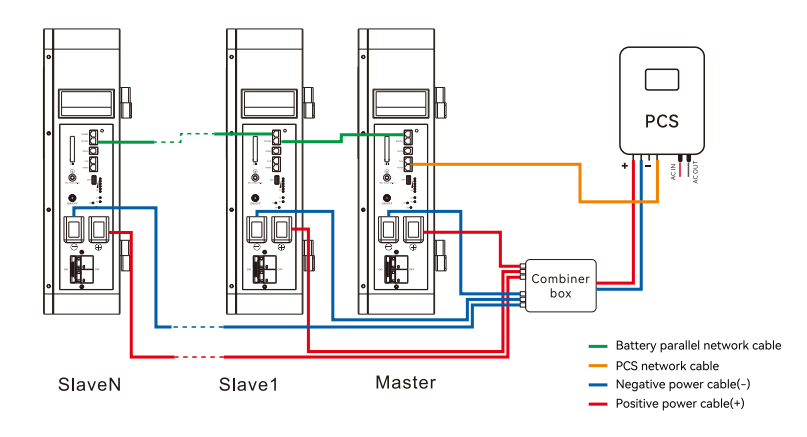
This diagram illustrates the multi-battery parallel connection solution for three-phase PCS inverters. The system adopts a master-slave architecture: one battery unit acts as the Master, while all additional battery packs (from Pack 2 to N) are configured as Slave units. Green network cables are used for communication between batteries to synchronize BMS status. All battery positive and negative power cables are routed to a combiner box, then connected to the PCS inverter. An extra communication cable links the master battery to the PCS.
For the inverter side in an N-packs & N-inverters setup, three-phase inverters output 380V AC and also follow a master-slave parallel logic: one inverter serves as master and the rest as slaves. This wiring schematic is only a reference example. The system supports flexible capacity expansion by adding more slave battery packs to meet larger energy storage demands
Instructions
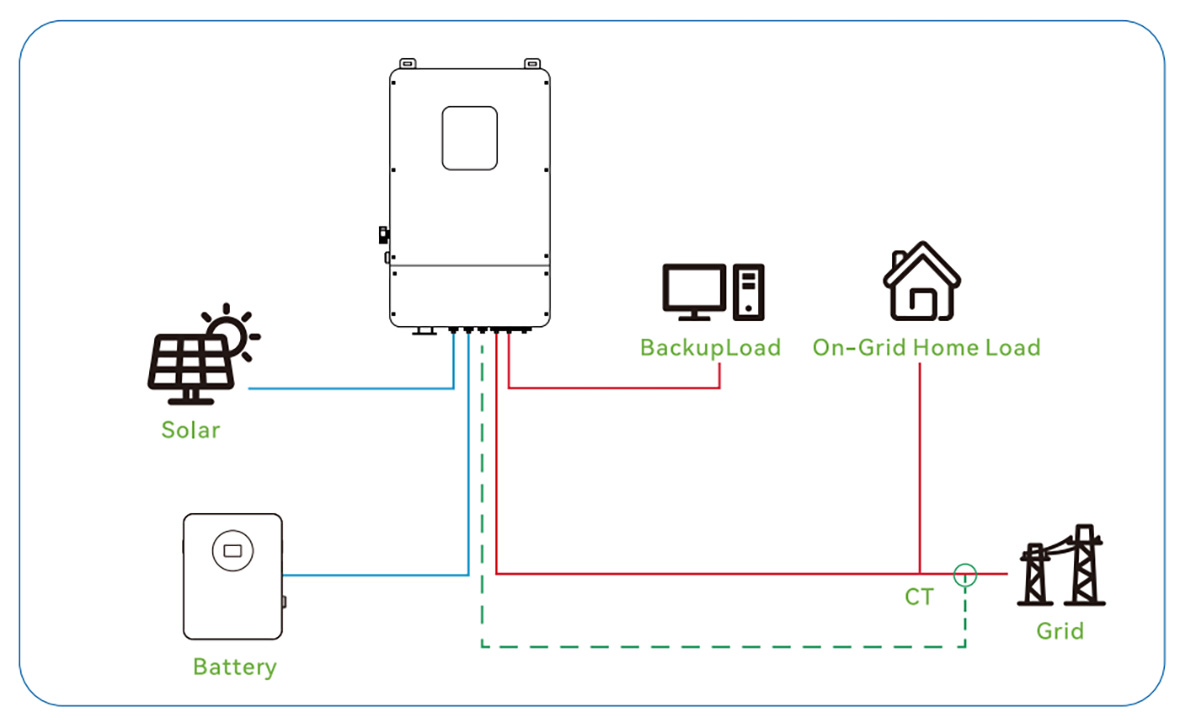
The Energy storage pack is an essential component of the photovoltaic power generation system. It can provide electricity for the connected load, and it can also store photovoltaic solar modules, fuel generators, or wind energy generators by charging the remaining energy in case of emergency. When the sun goes down, energy demand is high, or there is a power outage, you can use the energy stored in the system to meet your energy needs at no additional cost. In addition, the energy storage Pack can help you achieve energy self-consumption and ultimately achieve the goal of energy independence.
According to different power conditions, the energy storage PACK can output power during peak power consumption, and can also store energy during low power consumption. Therefore, when connecting the matching photovoltaic modules or inverter arrays, external equipment is required to match the energy storage the working parameters of the pack to achieve the highest operating efficiency.
Exhibitions
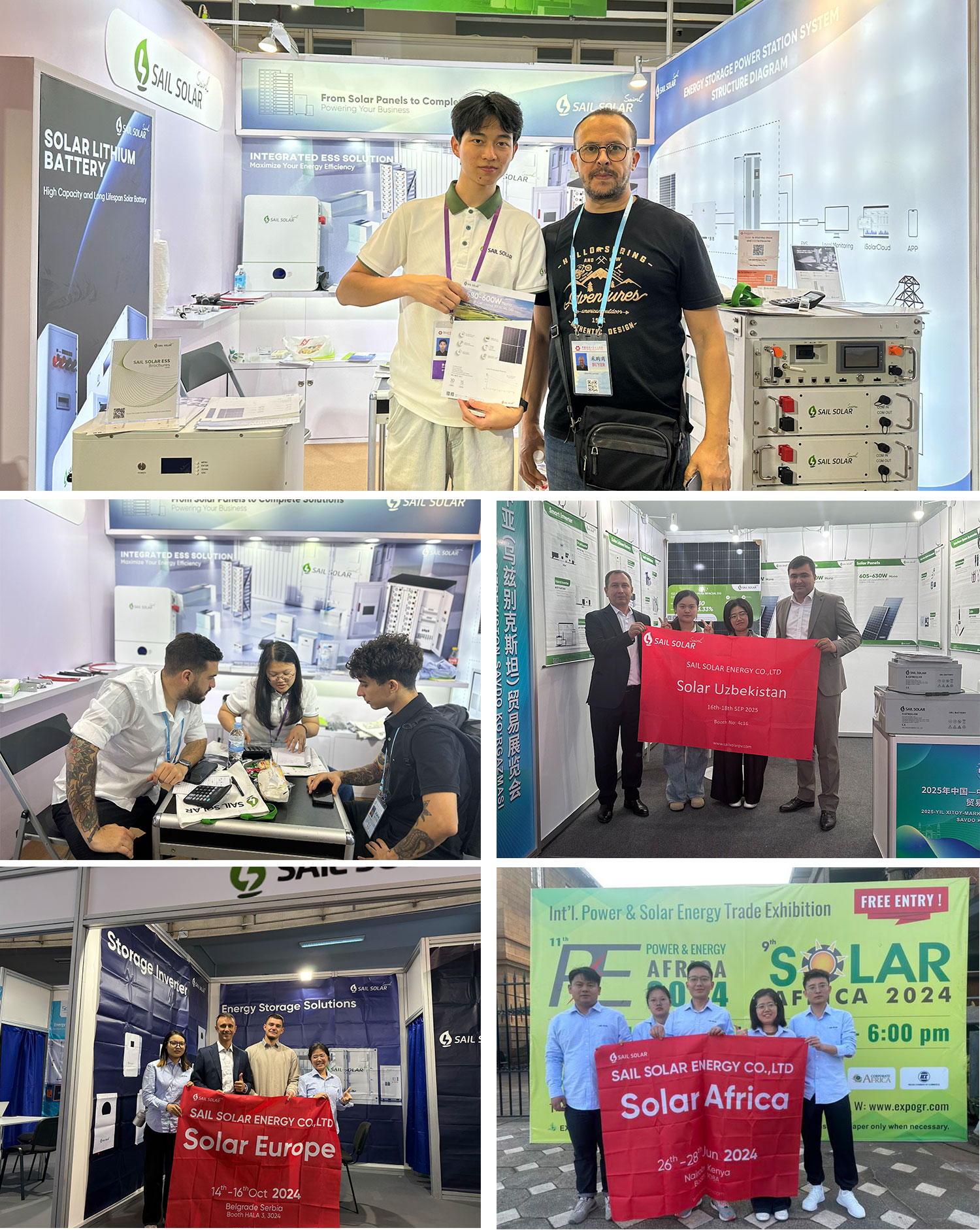
Sail Solar is proud to have participated in numerous energy storage exhibitions around the world. From leading industry events across China to internationally renowned shows in Europ, America, Africa, and beyond, our team has been consistently present on the global stage. These exhibitions serve as critical platforms for us to unveil our latest energy storage solutions, connect with potential clients and partners, and benchmark against the world's best. Through active engagement in both domestic and international events, Sail Solar continues to demonstrate its technical expertise, expand its global network, and reinforce its dedication to advancing the energy storage industry.

FAQ
Q1: What communication interfaces does this lithium‑ion battery support?
A: It supports RS232, RS485 and CAN‑Bus ports. RS485 / CAN‑Bus is used for communication with hybrid inverters; RS485A/RS485B is for multi‑battery parallel connection; RS232 can connect to PC for data monitoring. You need to select RS485 or CAN protocol according to your inverter requirement.
Q: What is the installation space requirement for multiple parallel battery packs?
A: Each battery shall keep at least 30 cm distance from the ground and minimum 30 cm clearance between adjacent packs (50 cm is recommended for better heat dissipation). When more than 3 batteries work in parallel, a combiner box is suggested.
Q: What is the correct power‑on sequence for multi‑pack parallel system?
A: First keep the breaker between batteries and inverter OFF. ① Power on all master & slave battery packs and confirm no alarm; ② Switch on breakers of every battery unit; ③ Turn on the breaker connecting batteries to inverter. Brief ALM alarm during step 3 is normal, it will disappear within 2 minutes. Finally complete settings on your inverter.
Q: Can I monitor battery status remotely?
A: Yes. Optional Bluetooth and WiFi modules are available. Install the PACE EX App on mobile phone to check SOC, voltage, temperature and historical data. Bluetooth supports local short‑range control, while WiFi enables remote monitoring (only 2.4G WiFi is supported). Real‑time data can also be viewed on the battery local display screen.
Q: What safety rules must I follow for battery parallel connection?
A: Never connect batteries in series. Only parallel batteries of the same model and specification. The system runs under master‑slave mode: one master pack, others as slaves. This wiring drawing is only for reference, always follow the official inverter manual for inverter‑side parallel setup. Mixed different‑type batteries is strictly forbidden.
After-Sales Service
● " 7/24 " After-Sales Support
● 7 days a week, 24 hours a day: Ready to respond and solve problems immediately—Sail Solar's commitment to worry-free after-sales service.
● Service Email: info@sailsolaress.com
Service Process
01
Submit Service Requests
Submit your service requests at any time via email, online customer service, or mobile app.
02
Rapid Response
Our service team will immediately respond to your requests and communicate the details of the issue with you.
03
On-Site Service or Remote Support
Depending on the nature of the problem, provide on-site service or remote technical support.
04
Problem Resolution
Our goal is to completely resolve your issue within 24 hours.
05
Follow-Up
After the problem is resolved, our team will continue to follow up to ensure your satisfaction with the service results.
Designed for multi-module installation, this battery features high compatibility BSM, ensuring seamless integration with leading inverter brands for reliable and efficient energy storage. Perfect for both residential and small workshop use, this eco-friendly system ensures reliable power backup with its cutting-edge technology. Join over 6000 satisfied families who have already made the switch. Contact us now to learn more.
Read More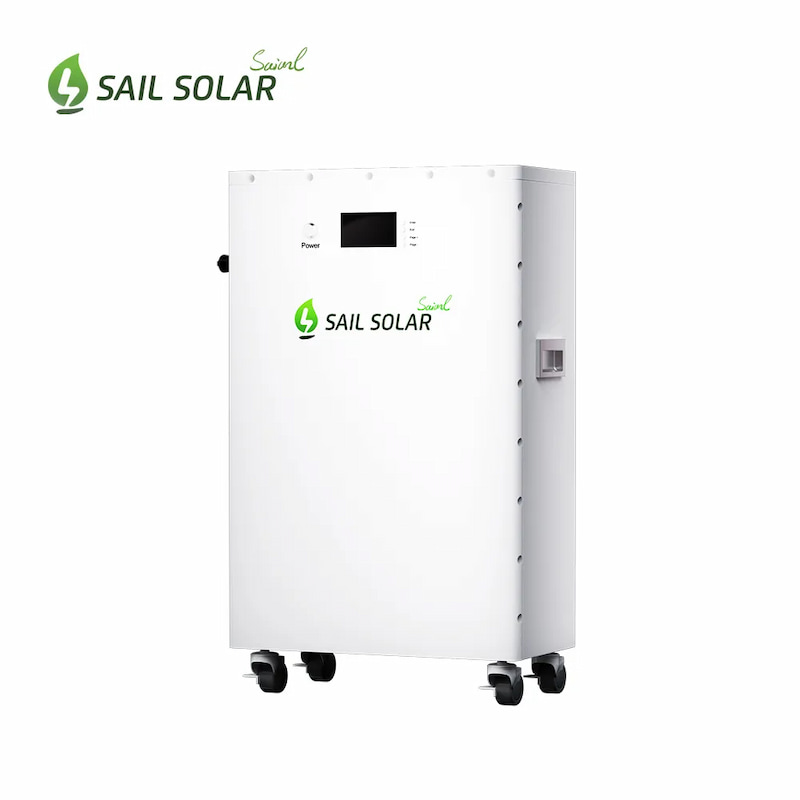
Upgrade your energy storage with the Sail Solar vertical home battery system today! Enjoy easy installation, exceptional performance, and the flexibility to expand your capacity up to 240 kWh. Perfect for both residential and small workshop use, this eco-friendly system ensures reliable power backup with its cutting-edge technology. Join over 6000 satisfied families who have already made the switch. Contact us now to learn more.
Read More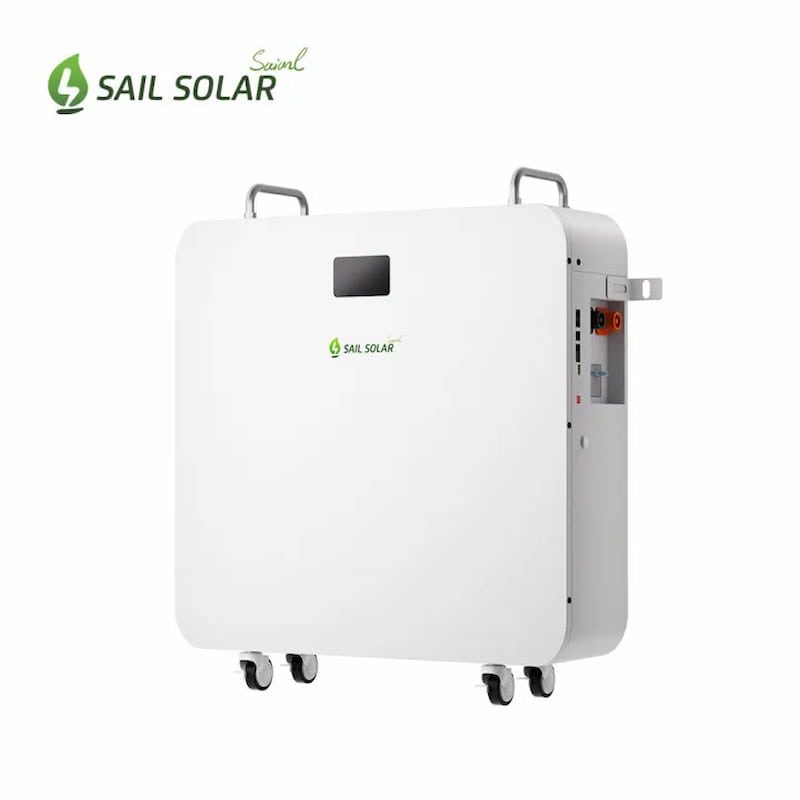
Sail Solar Lithium battery has compact design, LCD screen, convenient setting buttons, bluetooth Monitor on your smartphones, and cables&accessories ready for installation. To welcome the world cooperation we accept OEM with your logo design!
Read More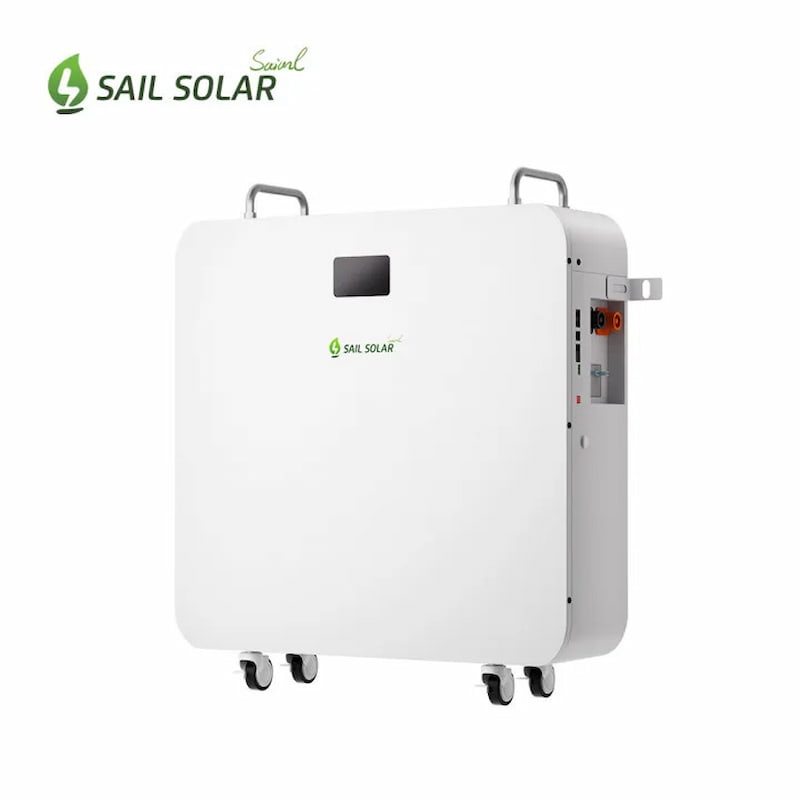
The Sail Solar Lithium Battery embodies a philosophy where sophisticated design meets intuitive control. Its compact chassis integrates a clear LCD display and tactile controls, while Bluetooth connectivity offers remote command. Every unit arrives with a full suite of accessories, ensuring a flawless installation. We extend an invitation for global OEM collaboration, offering a premium product worthy of carrying your signature.
Read More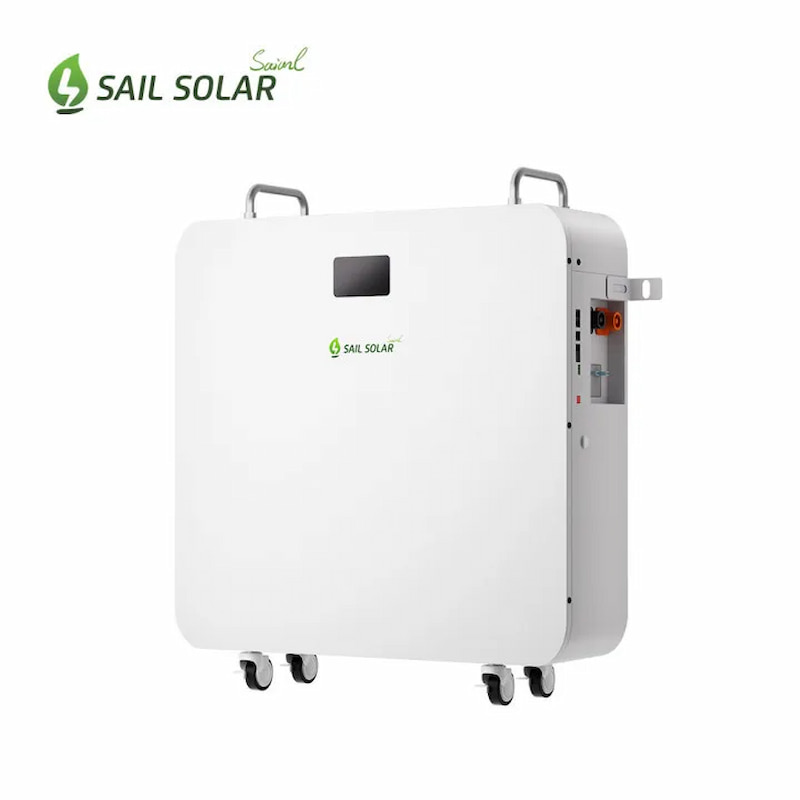
The Sail Solar Lithium Battery offers a compact design, LCD screen, Bluetooth monitoring, and a complete installation kit—all the features the market demands. We welcome global OEM partners to customize this product with your logo. Let's join forces to power the world together
Read More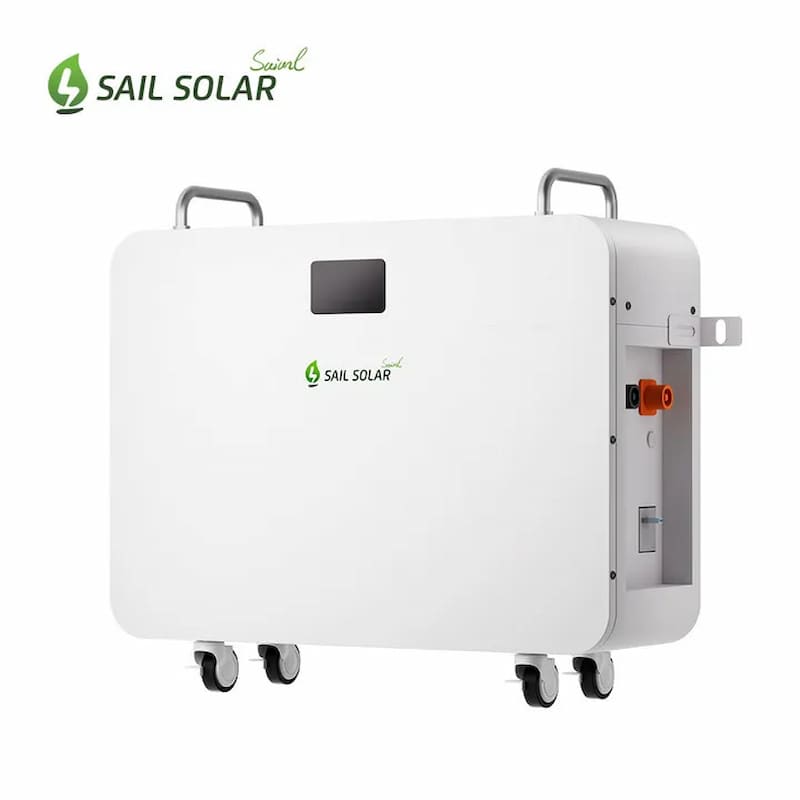
Sail Solar is dedicated to delivering streamlined energy storage. Our lithium battery's compact form, integrated display, and smart Bluetooth monitoring provide a seamless user experience. Designed for easy setup with included accessories, it's the smart choice for modern power needs. We invite OEM collaborations worldwide to bring this integrated solution to your market under your brand.
Read More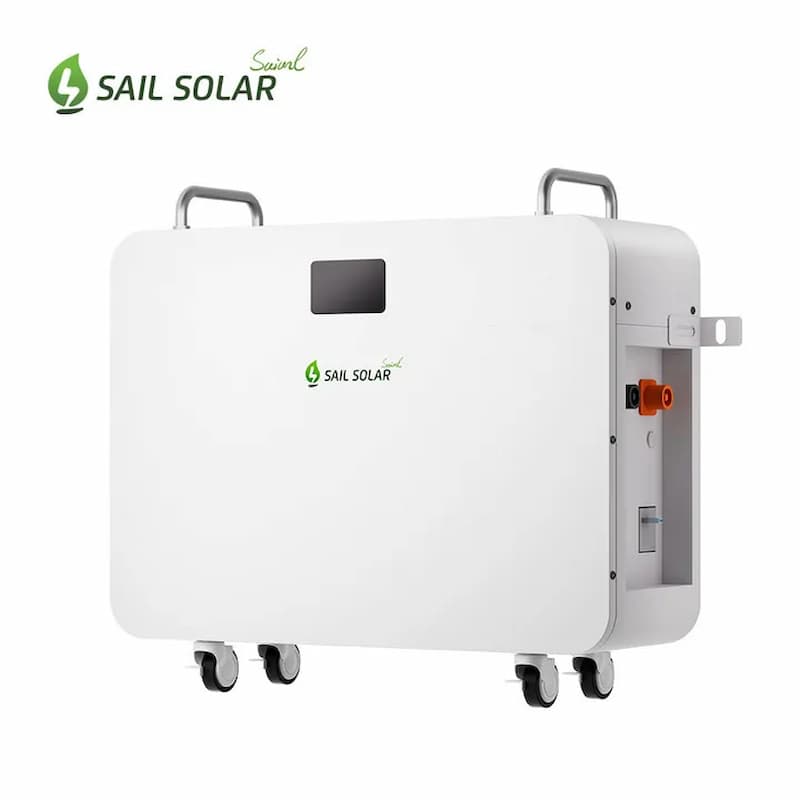
The Sail Solar Lithium battery integrates a compact design, an intuitive LCD screen, convenient setting buttons, and Bluetooth smartphone monitoring. It arrives as a complete kit with all necessary cables and accessories for immediate installation.
Read More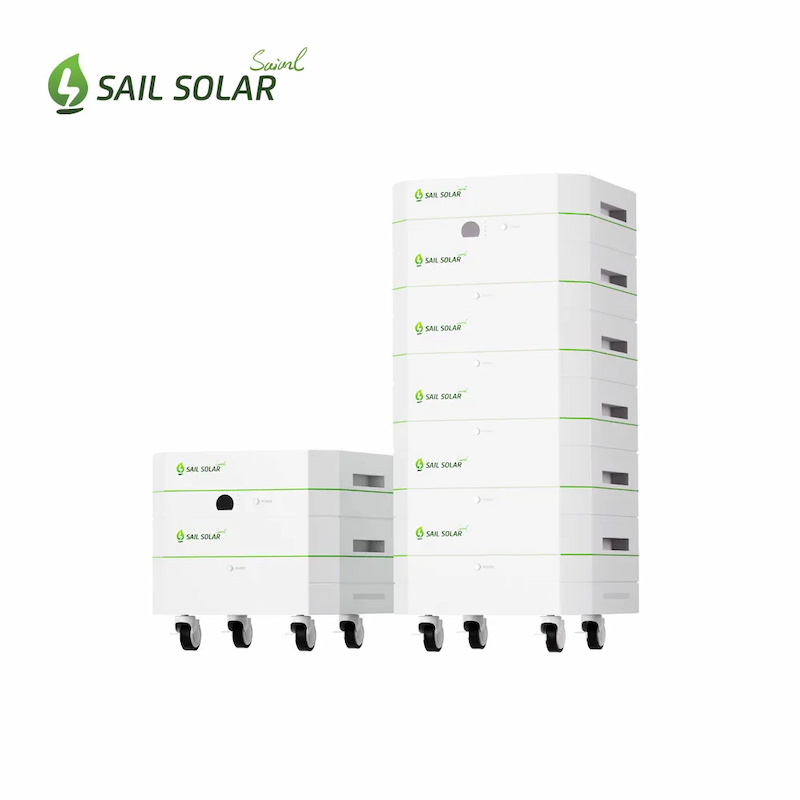
Sail Solar Lithium Battery: Your Plug & Play Power Hub! Imagine a powerful energy solution that's incredibly user-friendly. Our compact battery packs an intuitive LCD interface with easy-setting buttons. Plus, with built-in Bluetooth, you can monitor your power anytime, right from your smartphone! Everything you need for a quick setup is right in the box. Want to Sell This Under Your Own Brand? We offer OEM services and welcome worldwide partners to collaborate with custom logo designs!
Read More
 IPv6 network supported
Leave A Message
Scan to Wechat :

Scan to WhatsApp :